Occultation: How Our Zone 4 Quebec Food Forest Began
Our Quebec Zone 4 food forest is currently made up of a few disconnected (soon to be connected) yet close areas, including fruit trees, a potager garden beside the house, and a second large garden further from the house where we grow the food that doesn’t need as much attention.
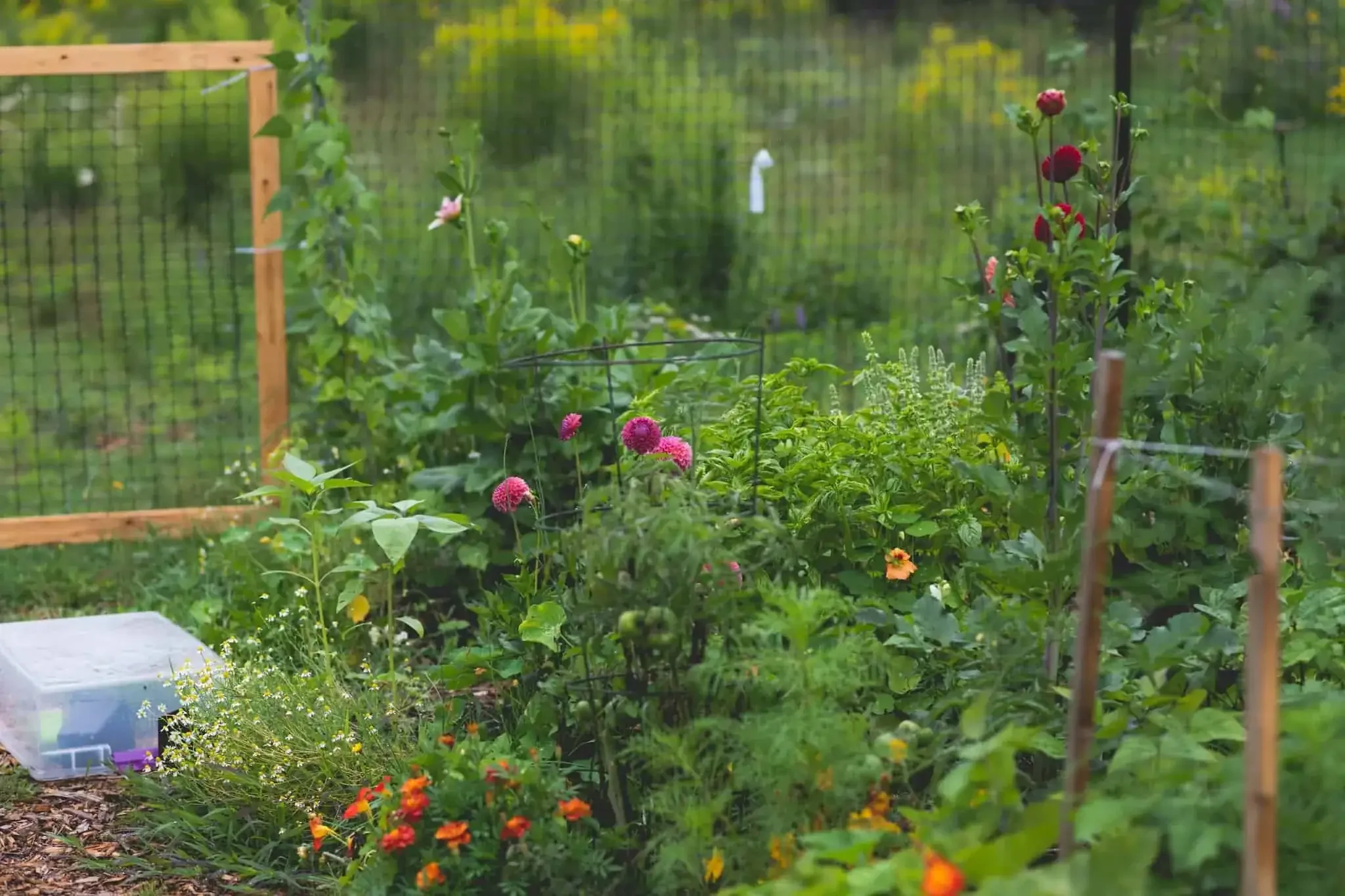
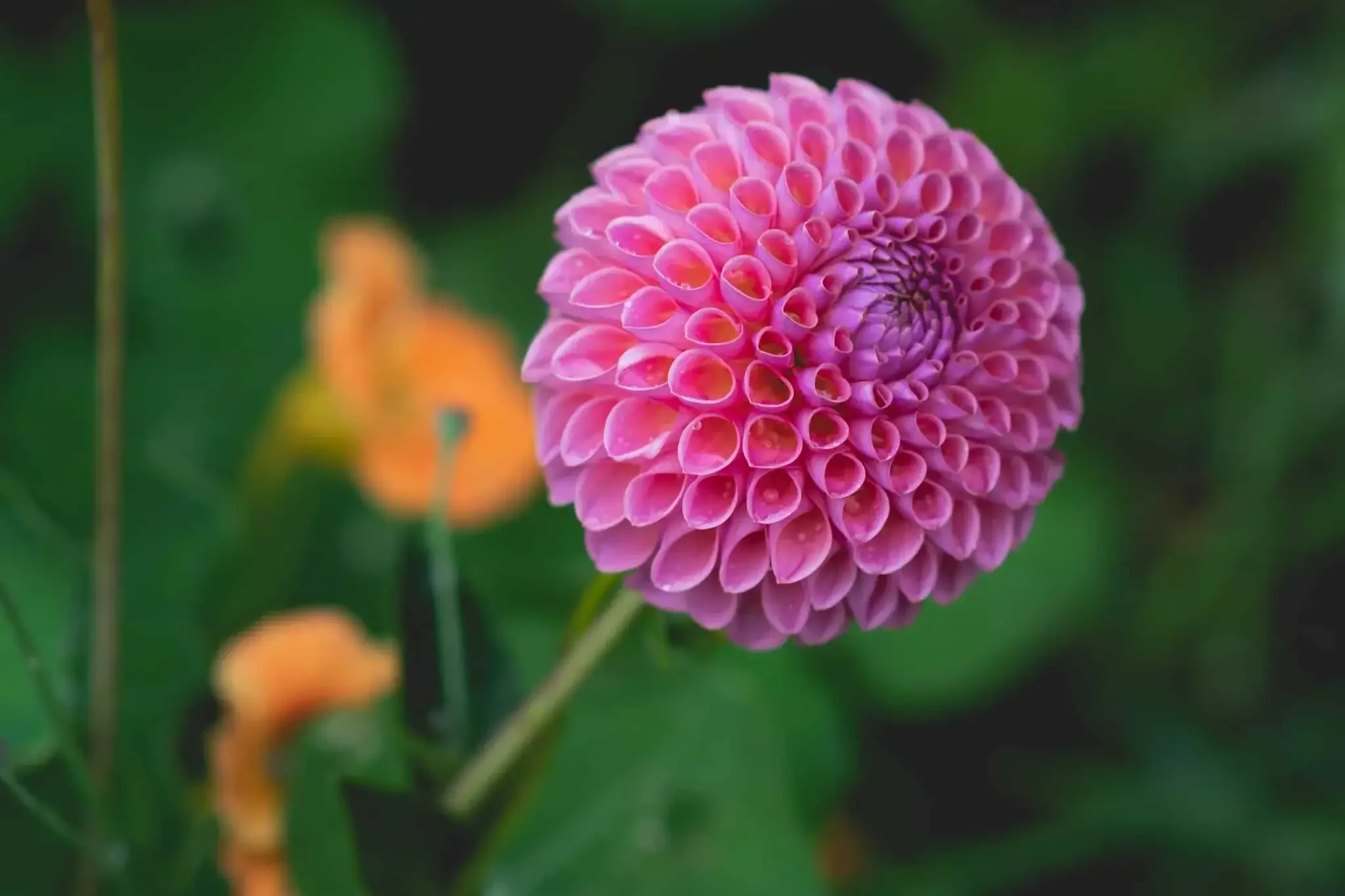
This post will show how it has gone from a meadow to now an abundant garden with growing fruit trees, raspberry, blackberry, and haskap bushes, so many dahlias, and a LOT of food!
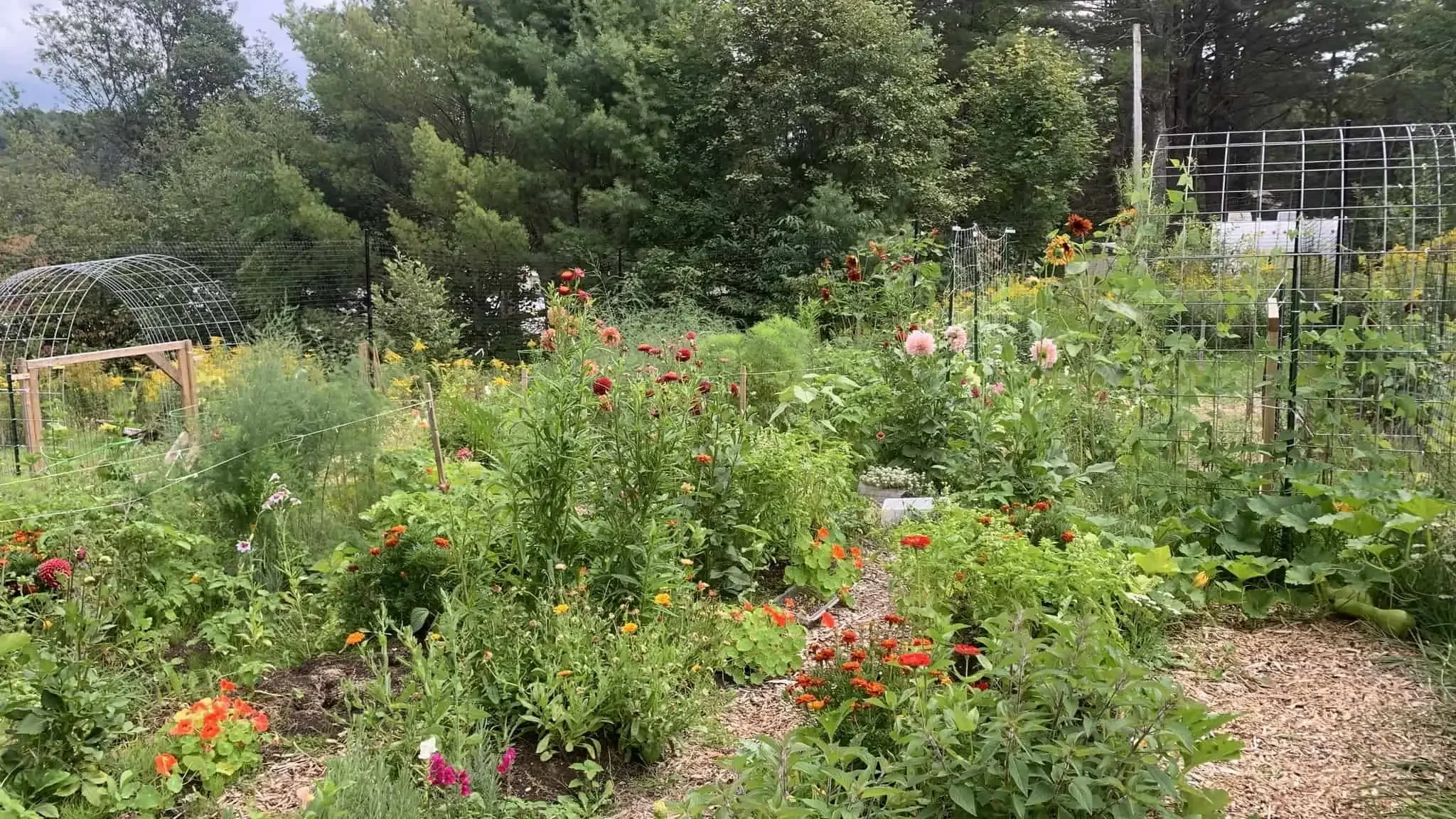
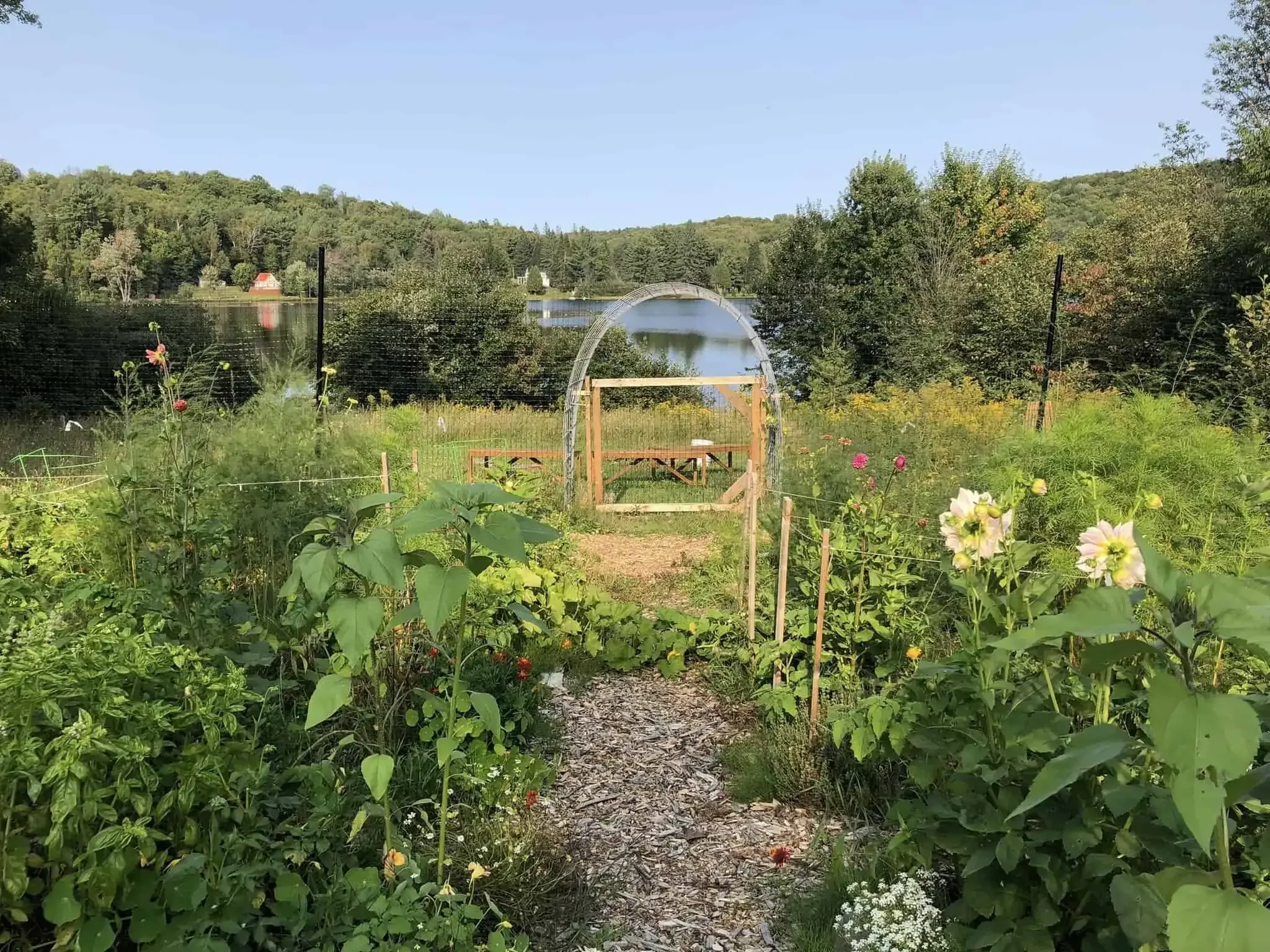
Year three of one of our Forest Garden areas, which in time will all be connected to each other. There are fruit trees, berries, annuals, herbs, and perennials here, all creating a diverse system that supports itself, the pollinators, and provides us with a lot of food!
It all started with a vision, and this space
This is on the second plot of land beside our house, where we are building the retreat centre. The vision is to create a diverse food forest spanning both pieces of land. At the time of writing this post, we have been building this dream for 3 years.
As you can see from the photo below, this was a meadow when we arrived. In the 1800s, this land was farmed and had animals, including horses and cows. We don’t know all the details, of course - this is what we have gathered.
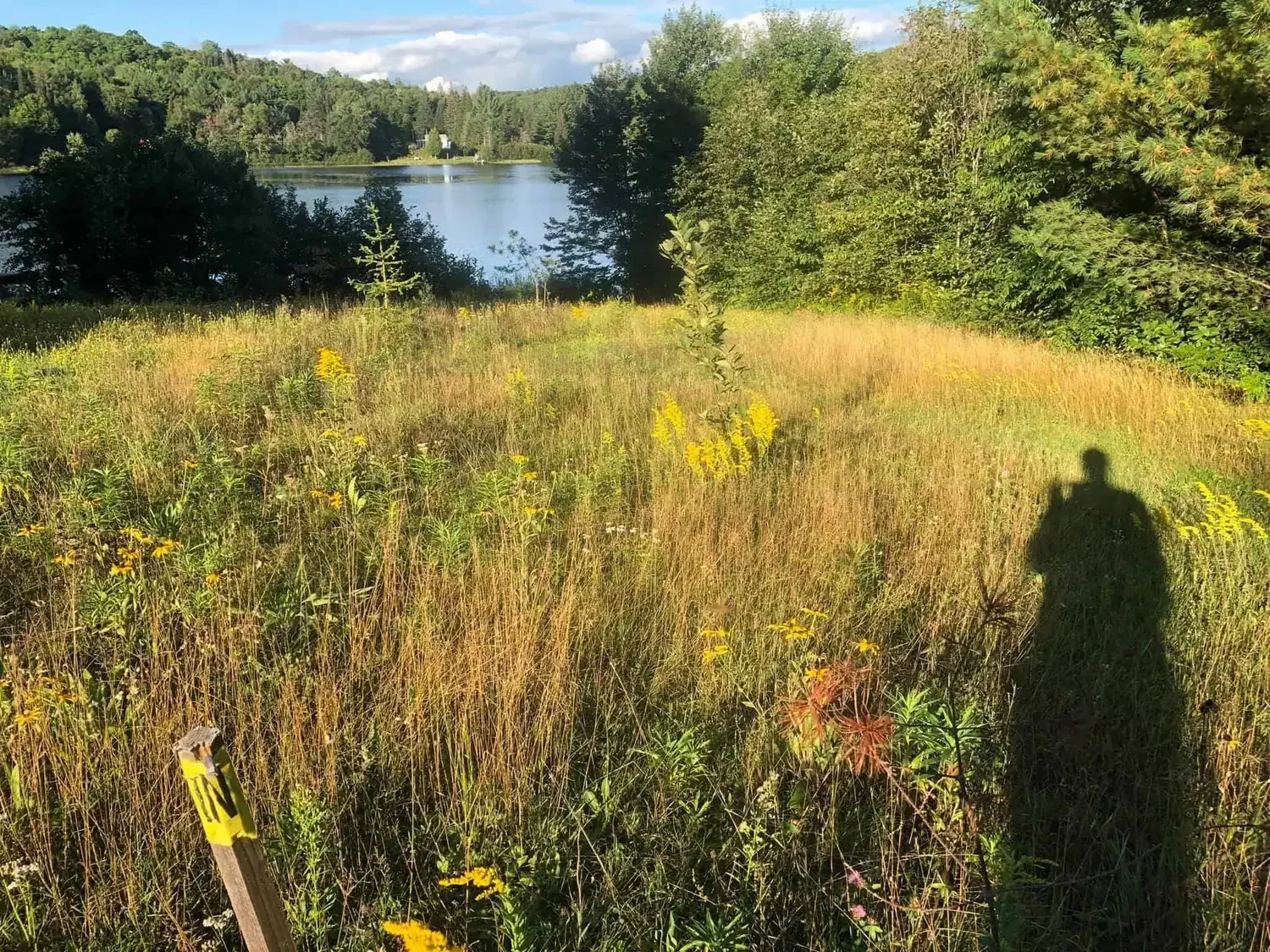
In 2021, when we arrived, it had been mowed during all the growing seasons before we arrived, so it was still a meadow. We let it grow wild the first spring-summer to see what was there and simply observe. It is mostly native plants such as black-eyed Susans, goldenrods aplenty, yarrow, asters, raspberries, pussytoes, blue-eyed grass, and so much more.
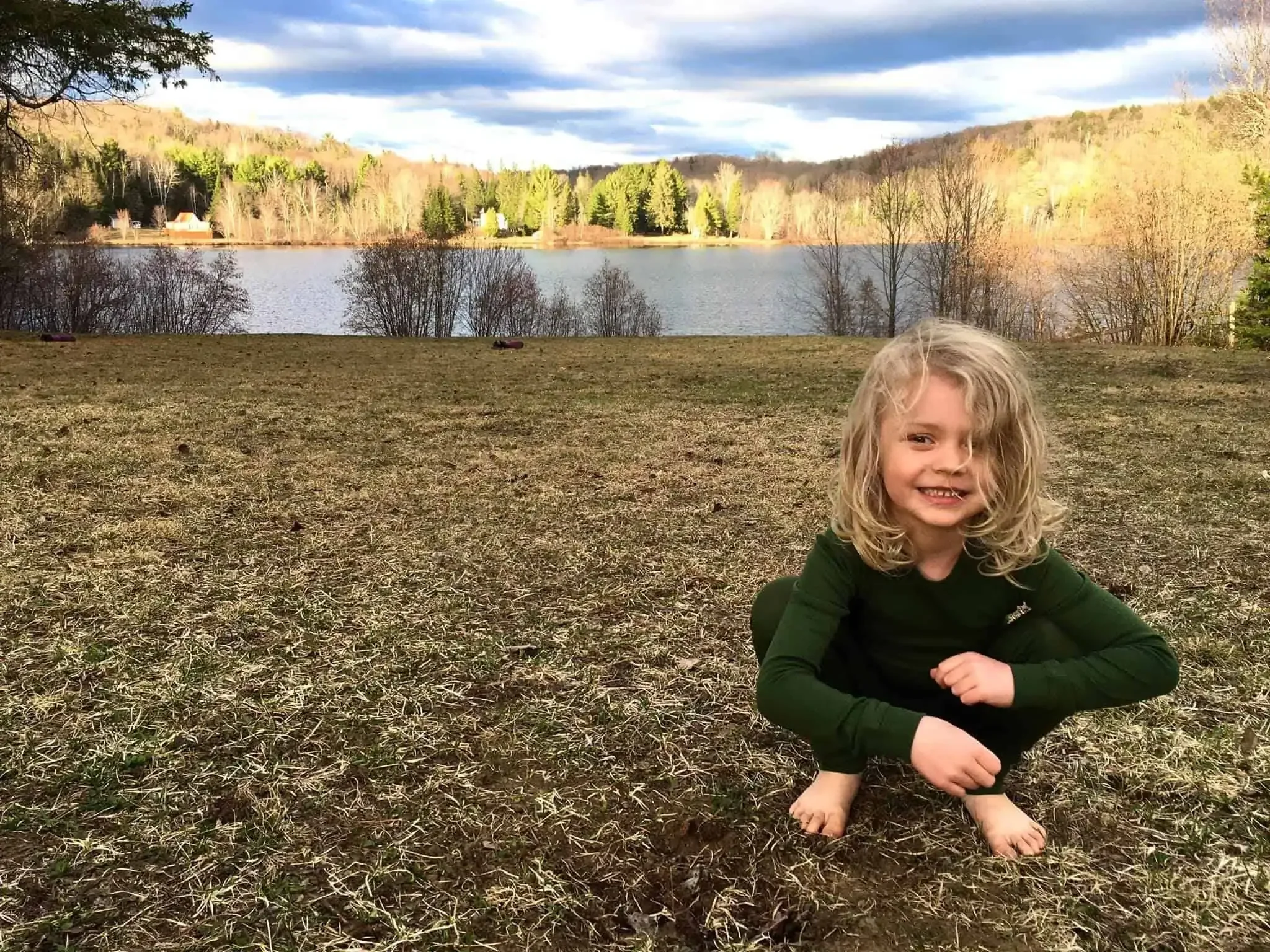
This photo was taken in the first week when we moved in. The snow was still melting. By 2023, this space will look like the first photo in this post.
Occultation of the Food Forest Space
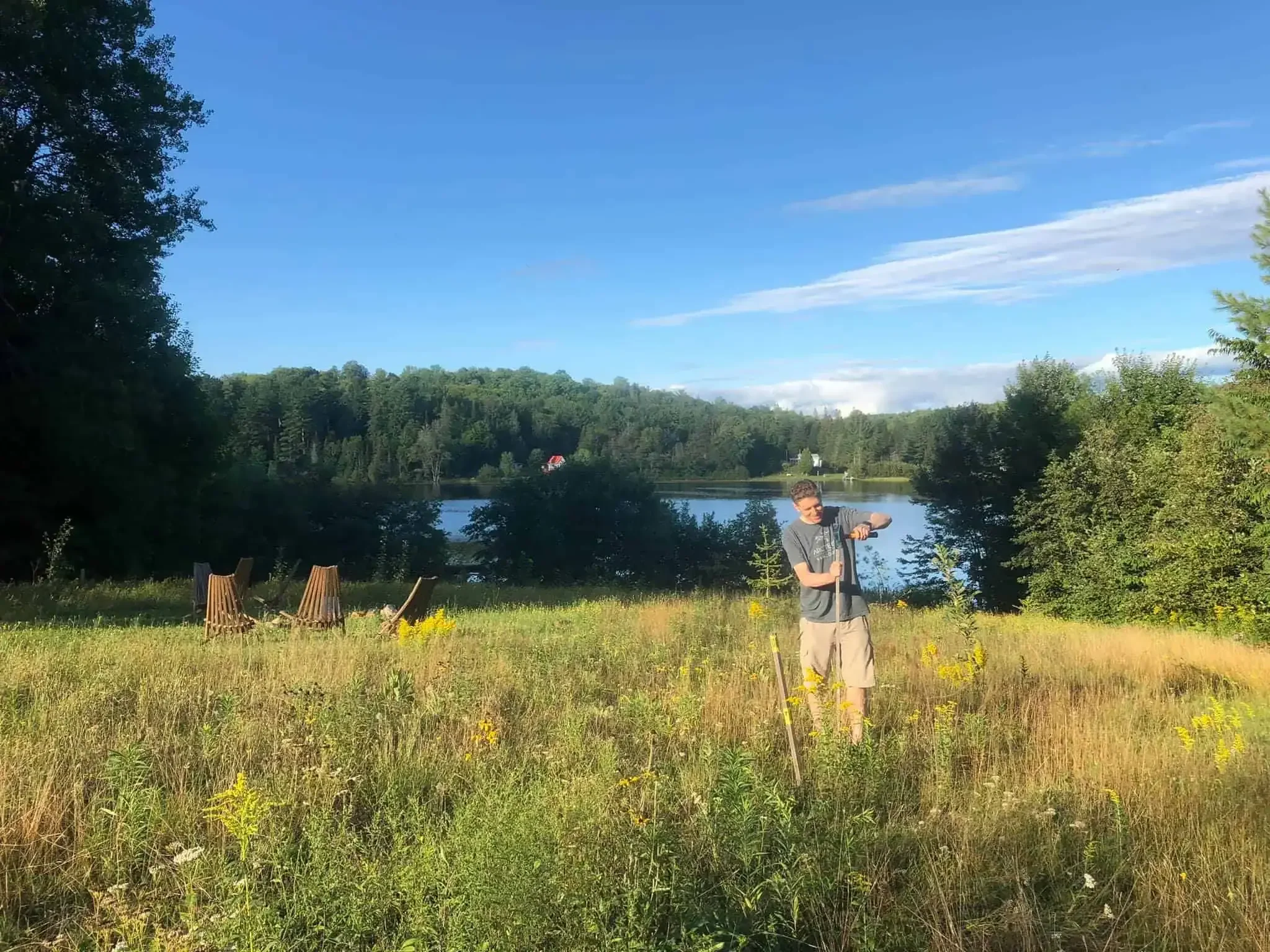
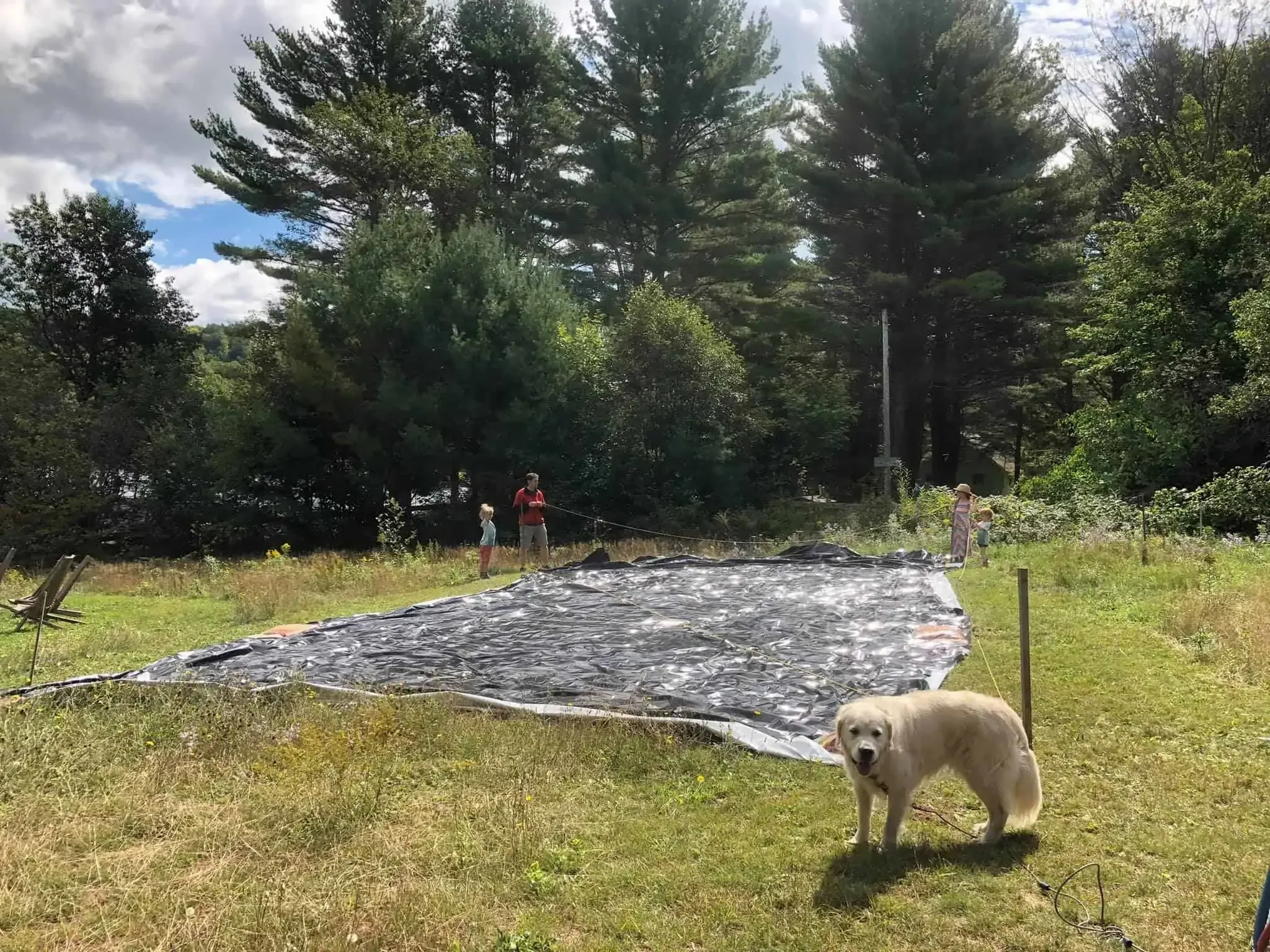
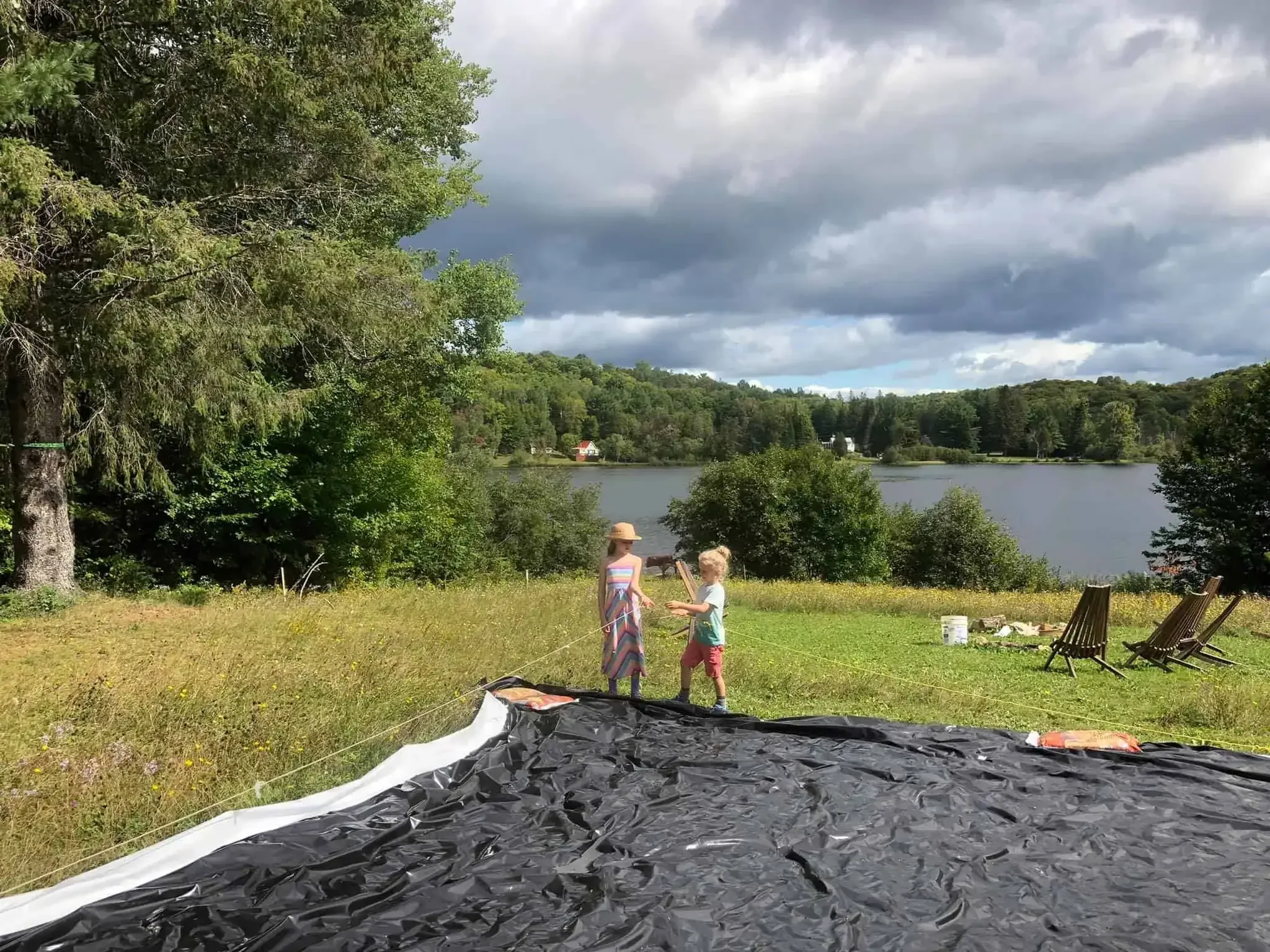
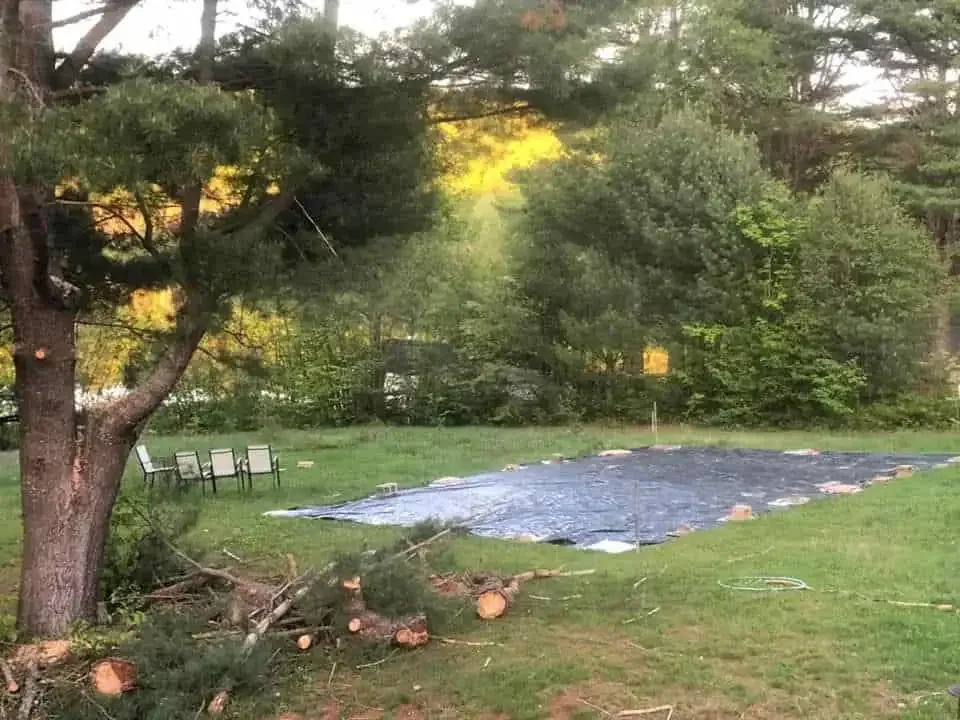
We watched the land from March until late August and chose to lay out a plan to create one of the food gardens that fall (2021), so the sun and nature could work their magic. We measured out a rectangle-ish area and laid a huge sillage tarp over it. I mowed the area and left the clippings there and we put the tarp on top.
This practice is known as “occultation”. The black tarp adds to the process by trapping the sun's heat and depriving the plants of sunlight and oxygen. Below the surface, the insects and worms work to munch and eat the decomposing plants - and there’s so much more going on that I don’t understand.
Building Soil and Working with What’s There
Spring 2022, when we pulled back the tarp the next spring, it revealed beautiful soil, rich and quite beautiful - perhaps the cows of days gone by are part of that. It was about 18 inches of rich dark brown soil before I came to clay!
I set out rows and topped them with compost and soil I ordered locally, but looking back, I don’t think we needed to add that soil. The benefit was that the planting rows were raised. I filled the paths with wood chips from our arborist chips (due to a storm that spring - so it all worked out beautifully).
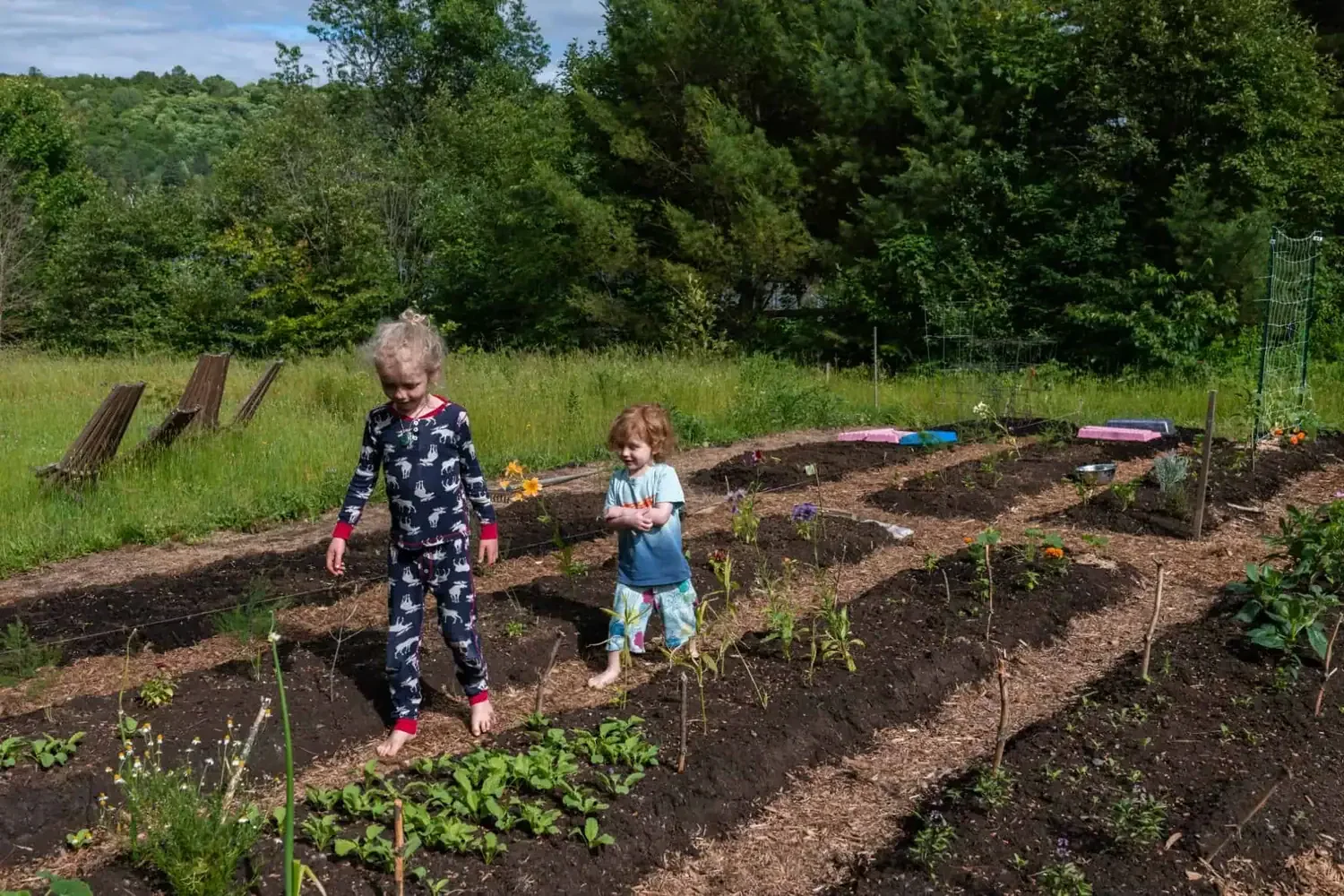
I used a shovel to “broadfork” and give the soil some movement, air and space without turning it over and then created rows and pathways with wood chips.
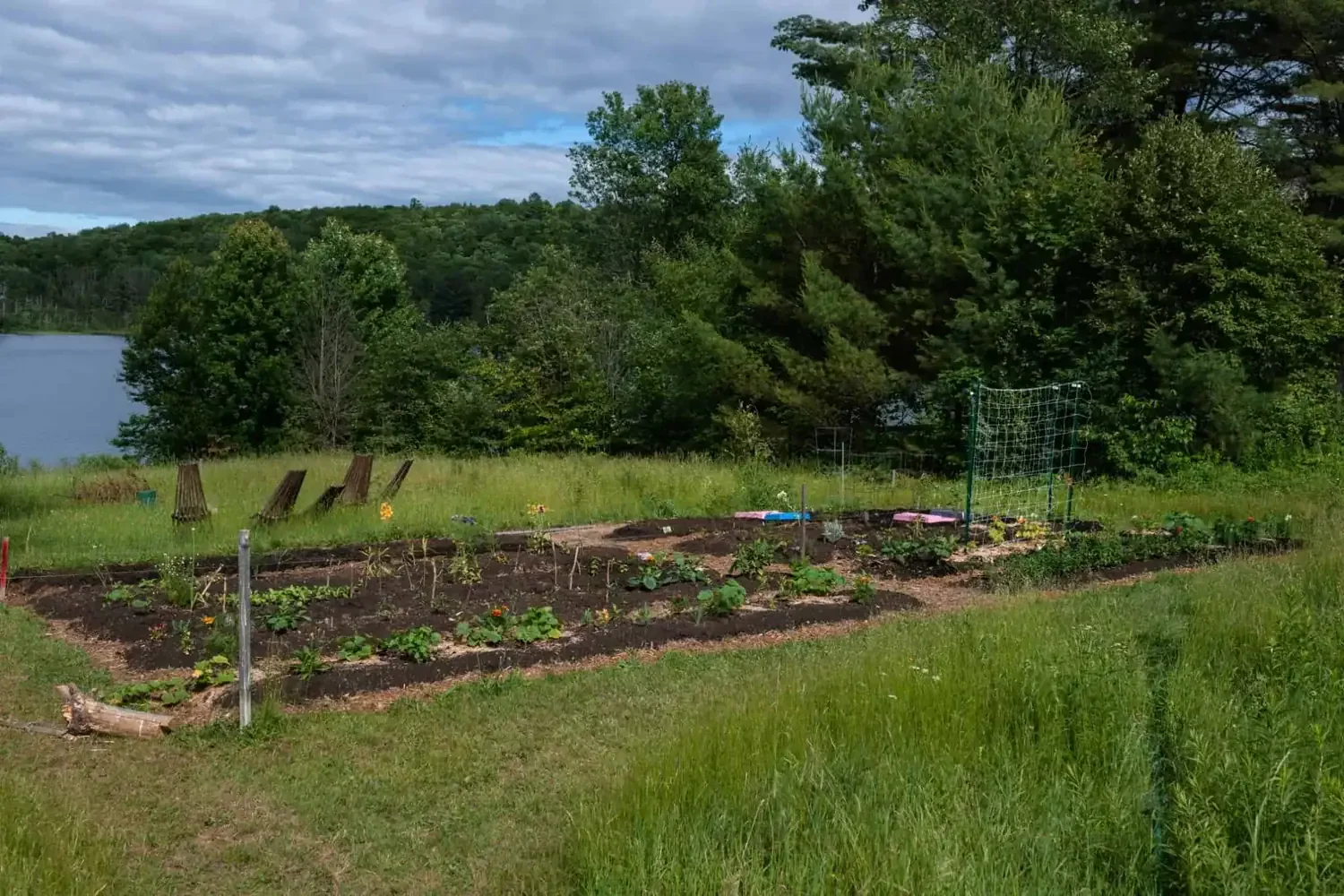
Year two - a new start.
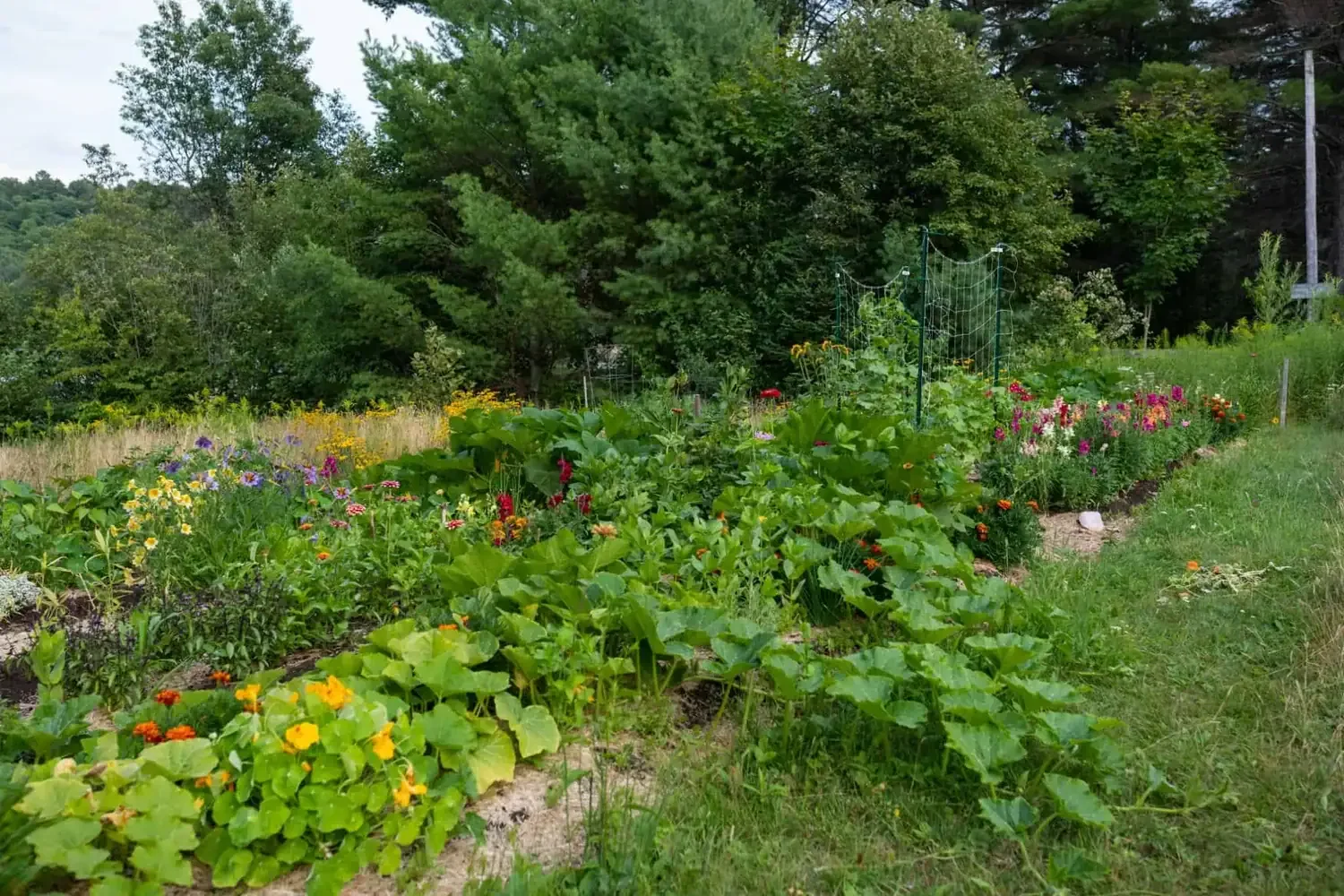
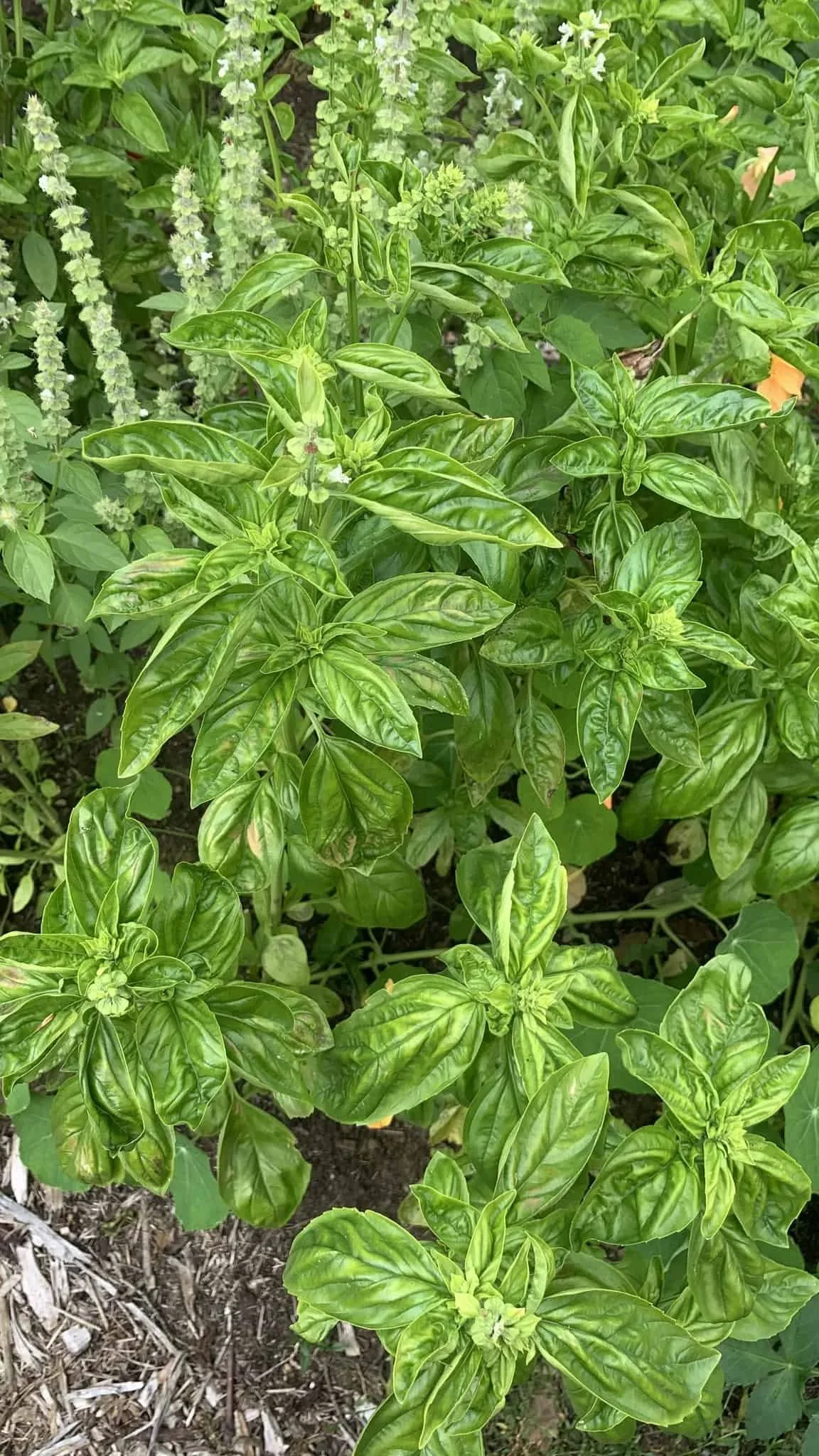
The abundance of a diverse food forest
The benefit of adding wood chips to the pathways is that, over the year, they will break down and create more soil, increase interconnectedness through fungi, and hold lots of water even when it gets really hot (not that it did that summer, though!).
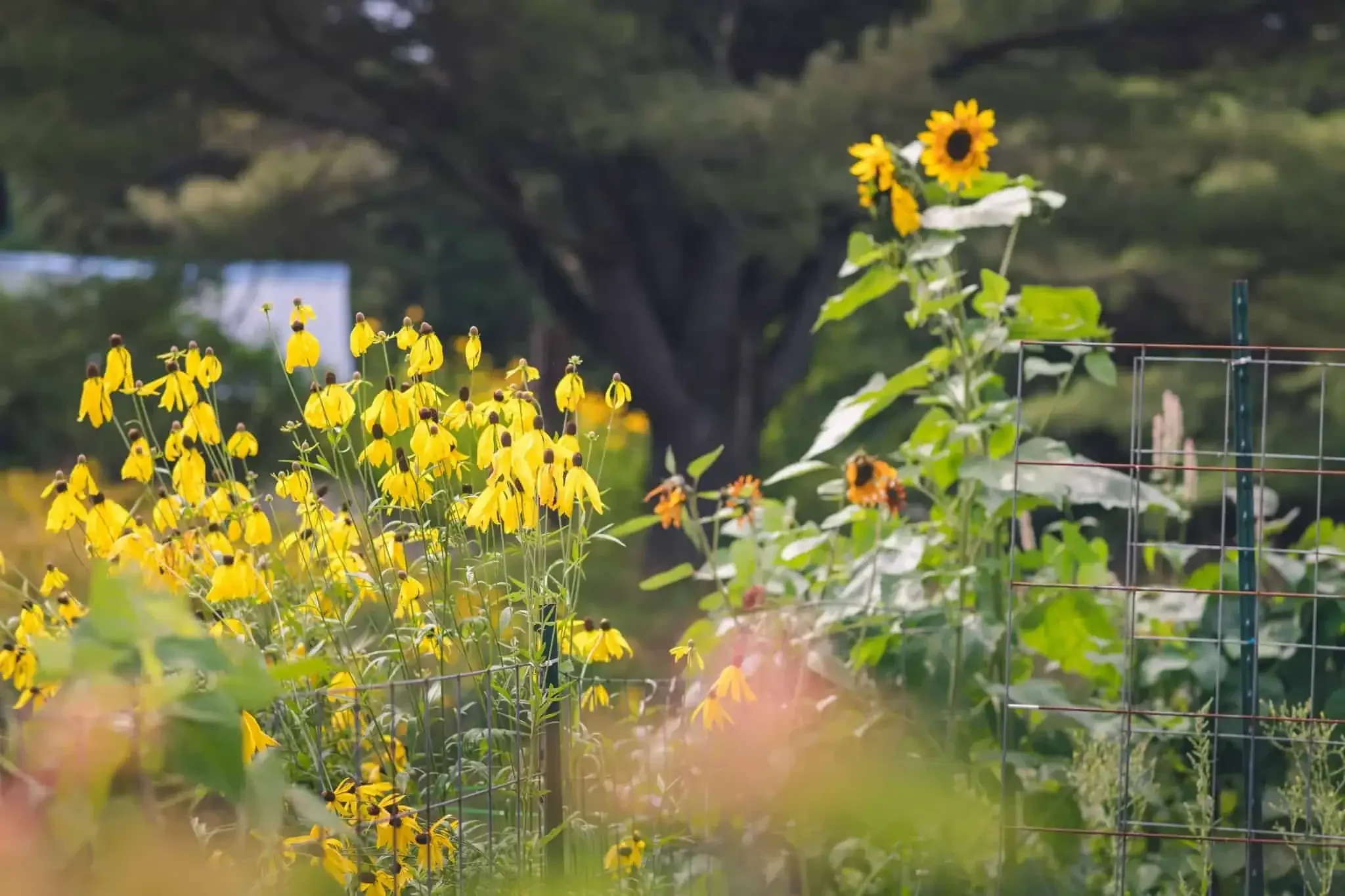
The vision at this time included planting fruit trees around and in this garden as the years go on (which we did the next year). I added native perennial flowers such as Scarlet Bee Balm, Grey Headed Coneflower, Anise Hyssop, and more around the edges so they could begin working their magic and spreading too.
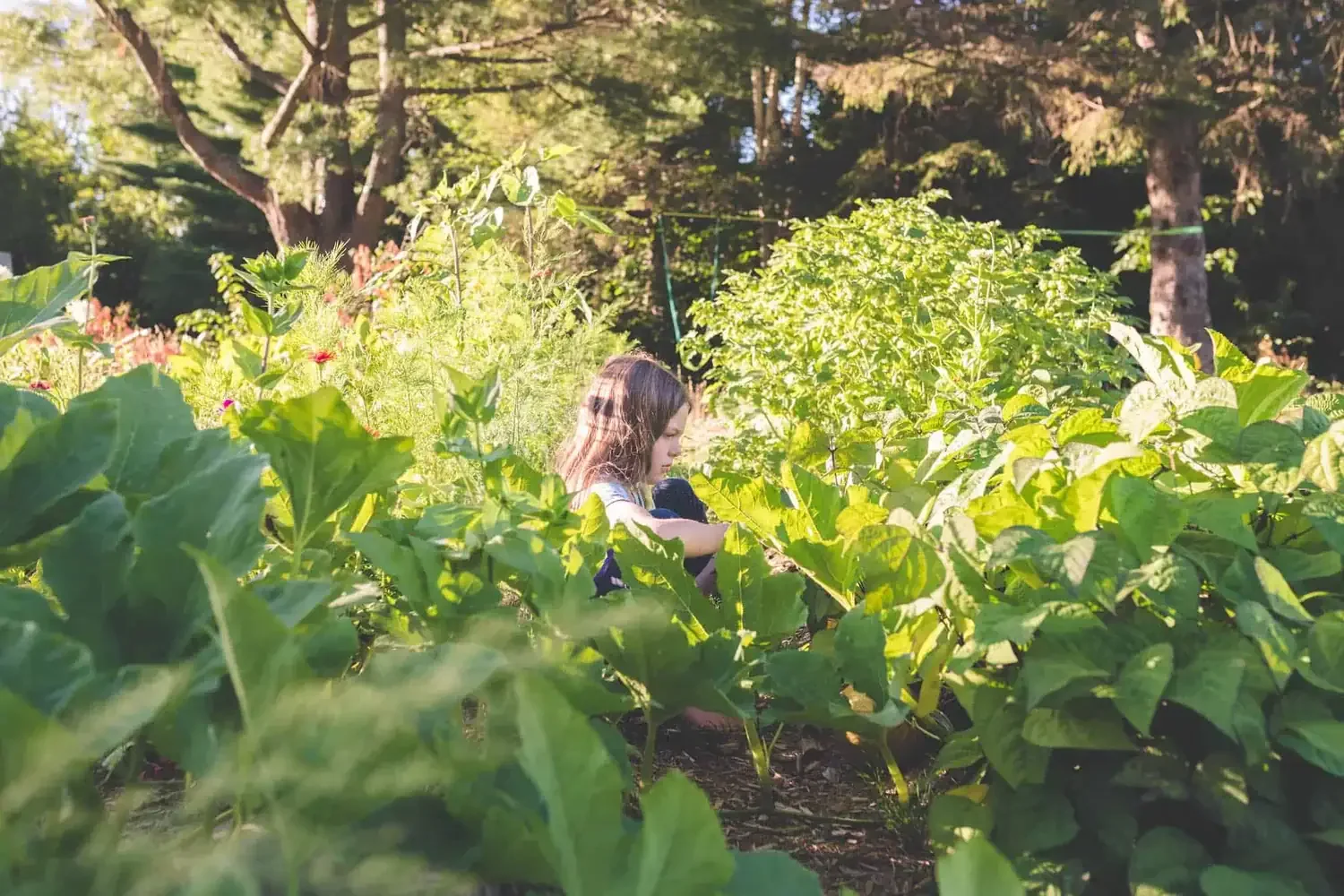
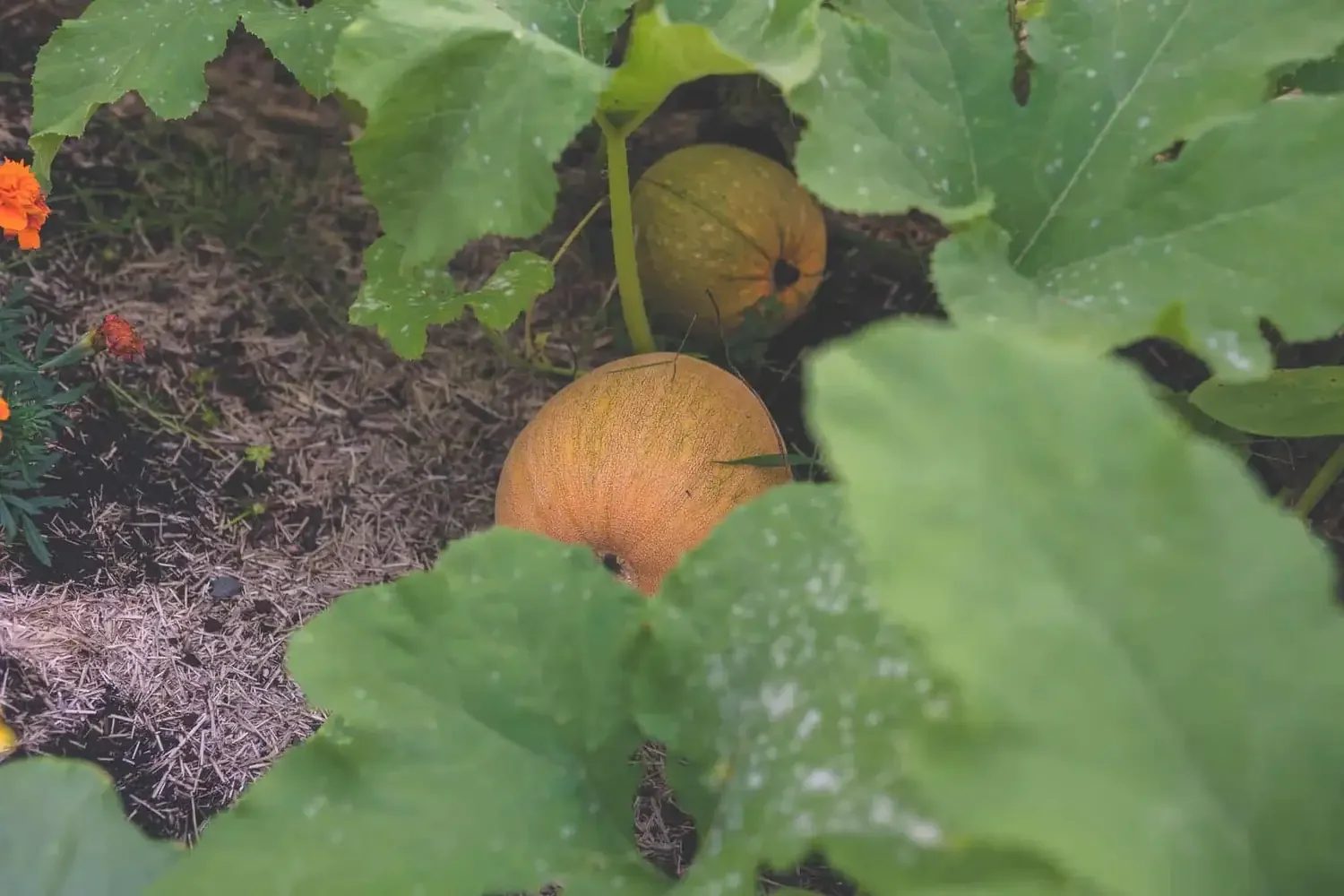
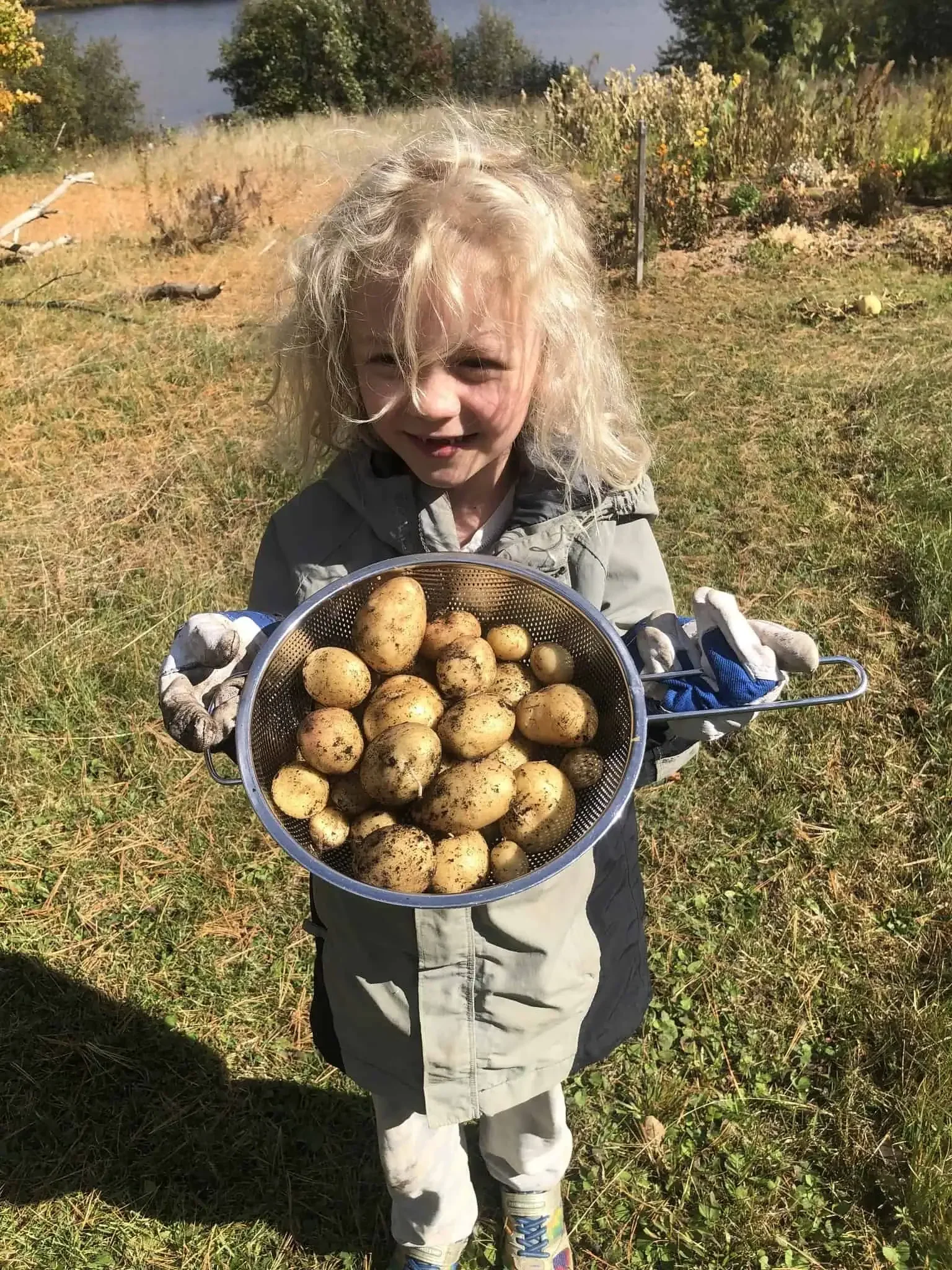
By August, the garden had grown and expanded into a beautiful, magical place! The food abundance was huge, and my flower dreams came true, too! My daughter learned how to make the most beautiful arrangements from Erin Benzakien’s (Floret) books.
The garden was already a place to come to, settle in, and just sit with the birds and pollinators. The connection of all is undeniable when we sit in nature.
As for the harvest, we canned and preserved what we could and froze the rest.
Planting More Fruit Trees & a Lesson from the Deer
In a nutshell, we lost a huge amount of food to deer in ONE NIGHT in the fall of 2022. As it will still be many years before our hedgerows are established, we decided to invest in a deer fence around the large garden, which you will see in the photos.
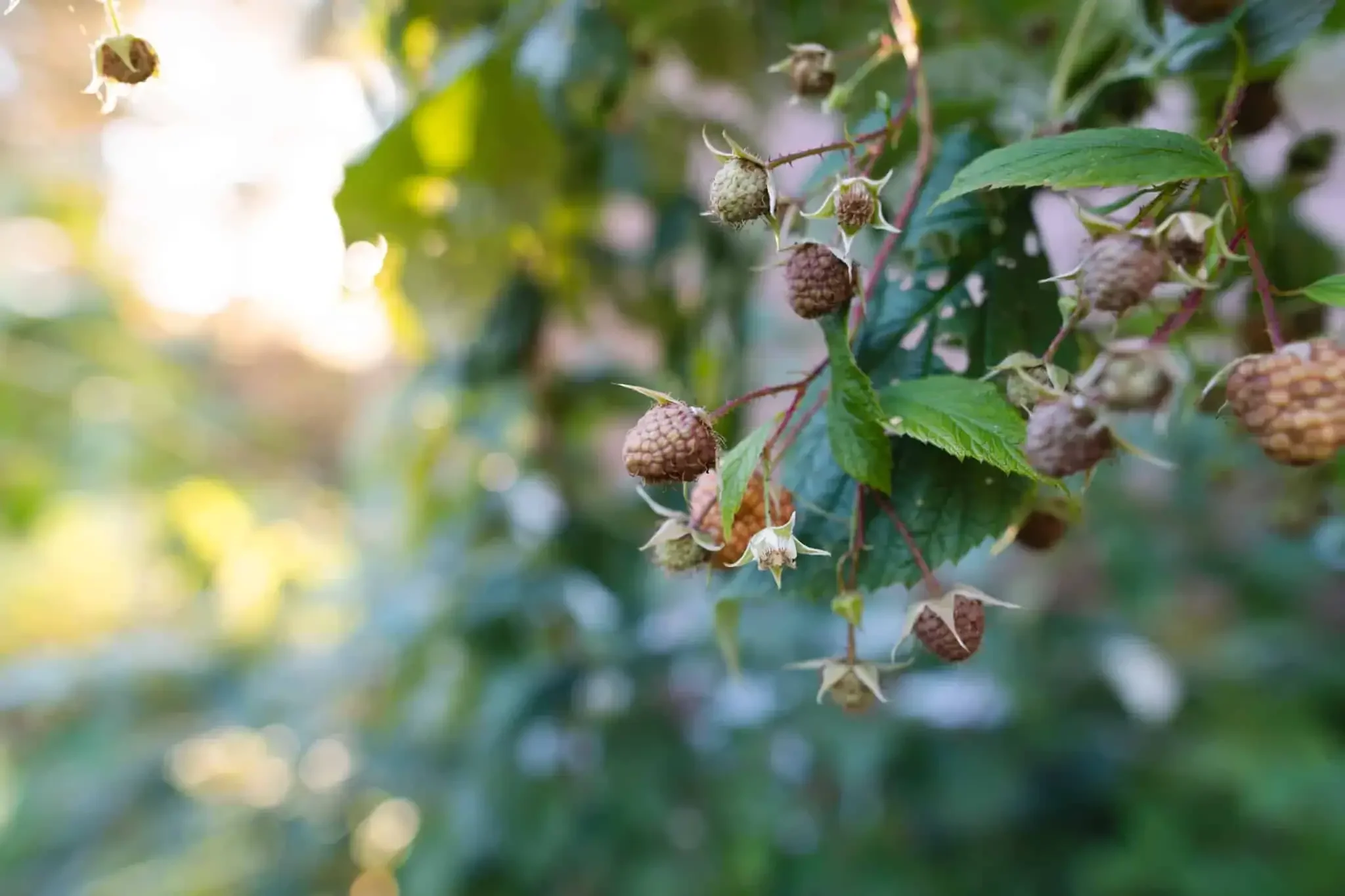
2023 was all about expanding the fruit trees (more apples, pears, cherries, and alders for nitrogen) and creating more hedgerows of native plants and fruit bushes like raspberries, blackberries, aronia berries, native high-bush cranberries, and, of course, more haskaps! I planted more purple coneflower, more New Jersey Tea (it did not fare well), more cutleaf sunflowers, etc. We continued with the annual veggies and had more success with lettuces and greens, which reseeded themselves for us from last year!
I had tried to propagate elderberries and high-bush cranberries (they grow wild here easily), and my dog ate them all over the winter, so that one didn’t work out. With the spring storms, we had free wood chips again!
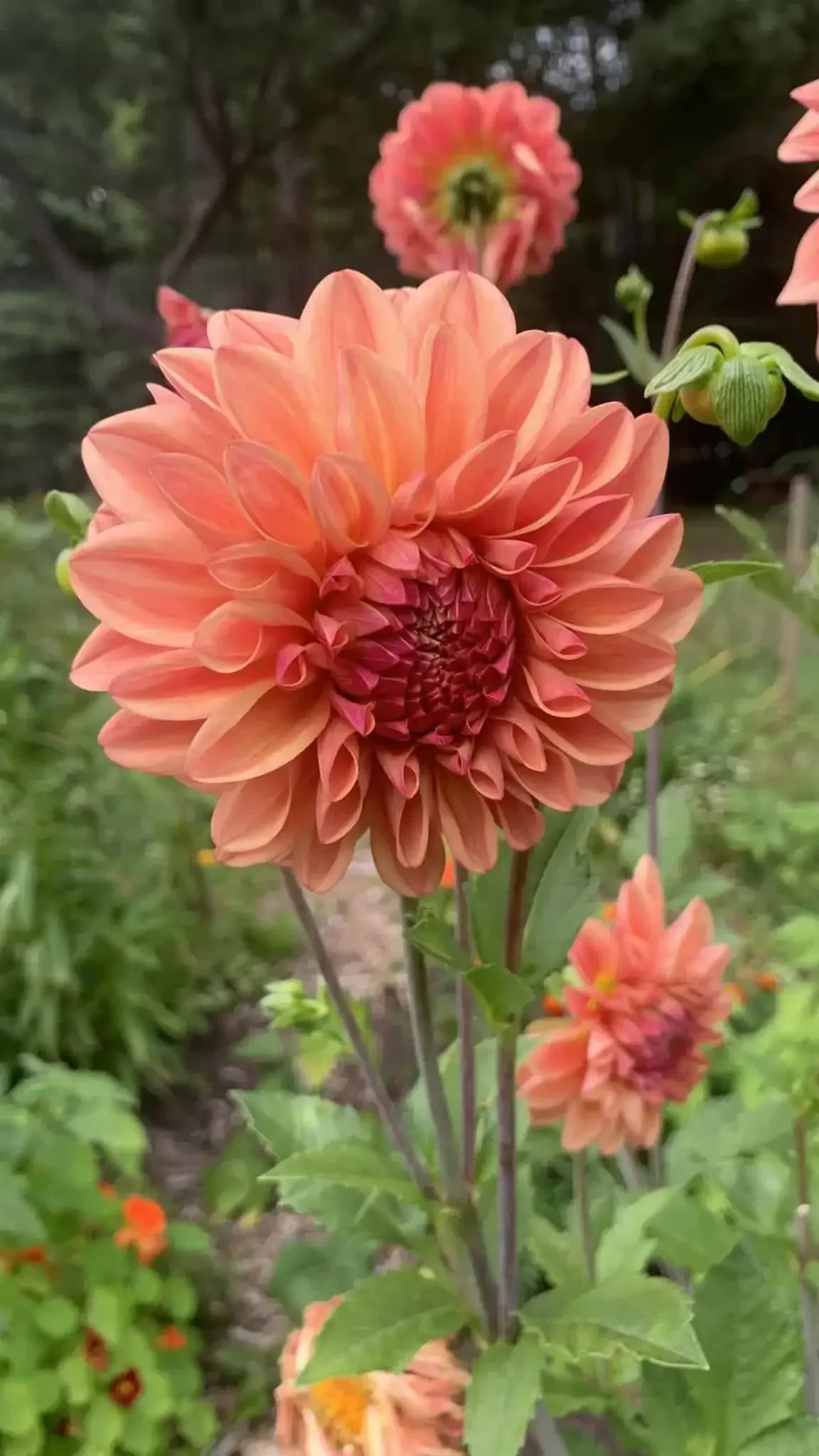
I added more dahlias - yup. I added more sunflowers for picking, and planting saved seeds meant even more interesting zinnias emerging!
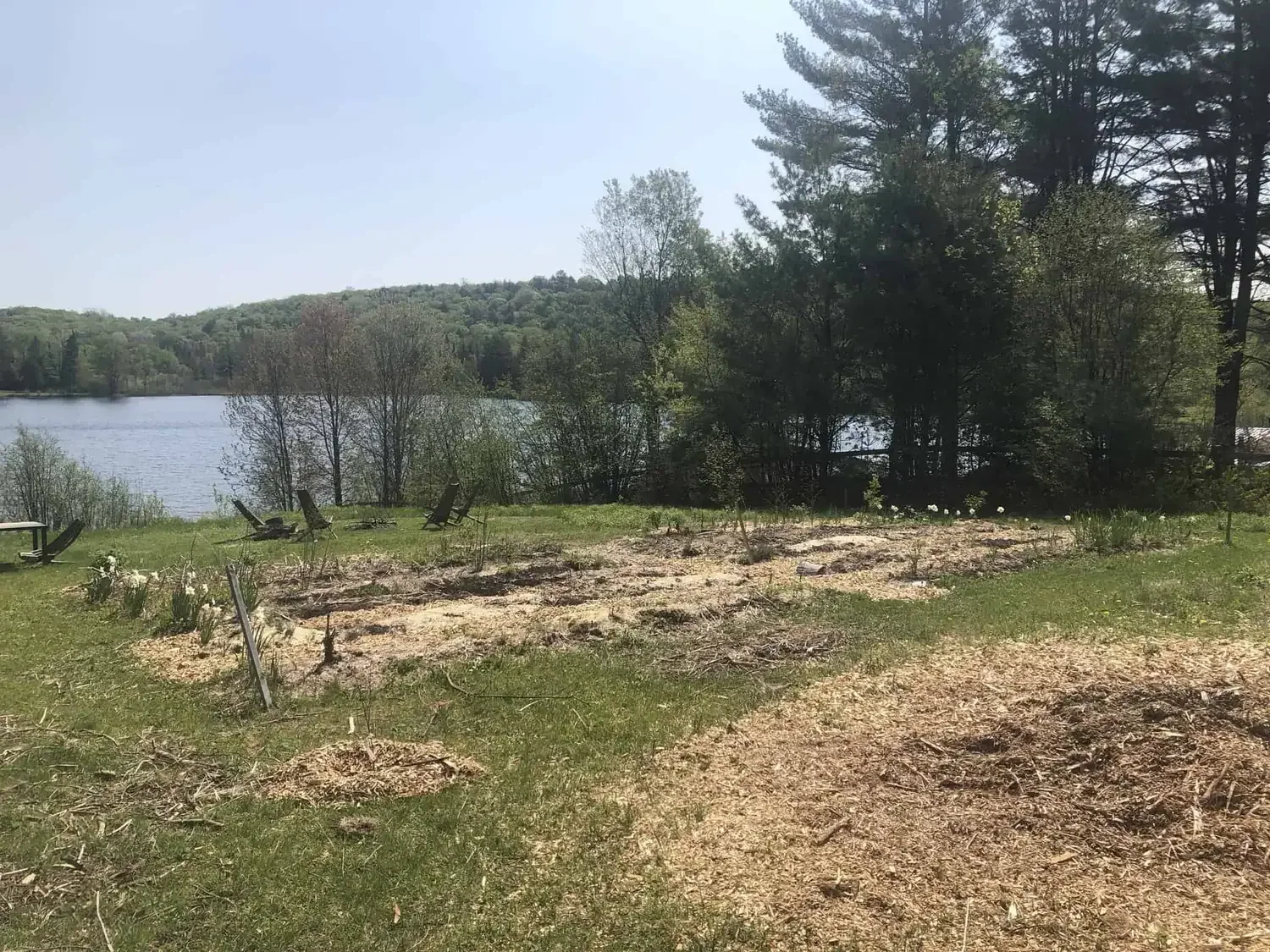
Spring 2024 before the fence. Notice the daffodils and spring onions happy as can be edging the whole space.
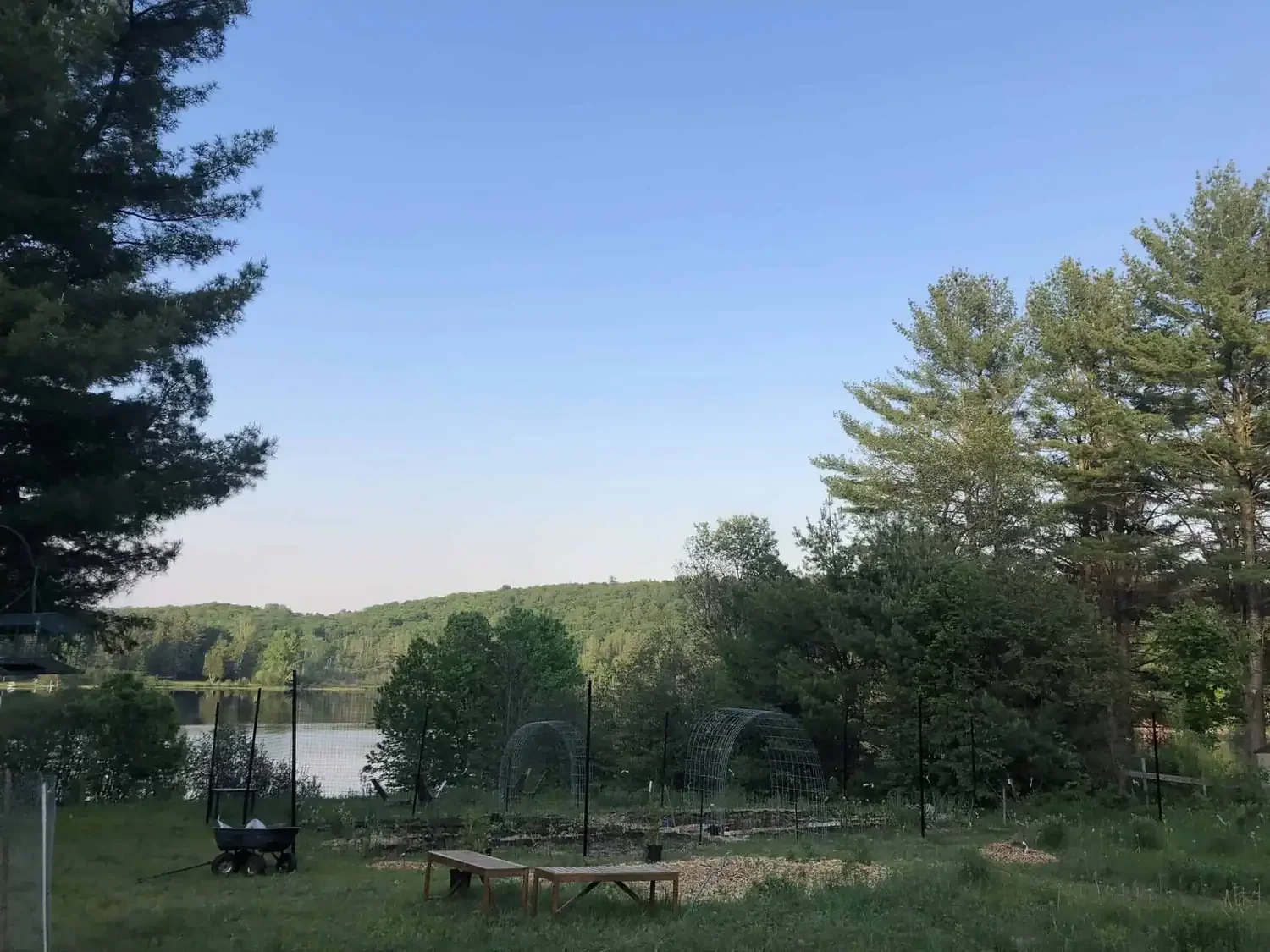
Spring 2023 with new deer fence.
A large focus on Expanded Fruit Tree Guilds
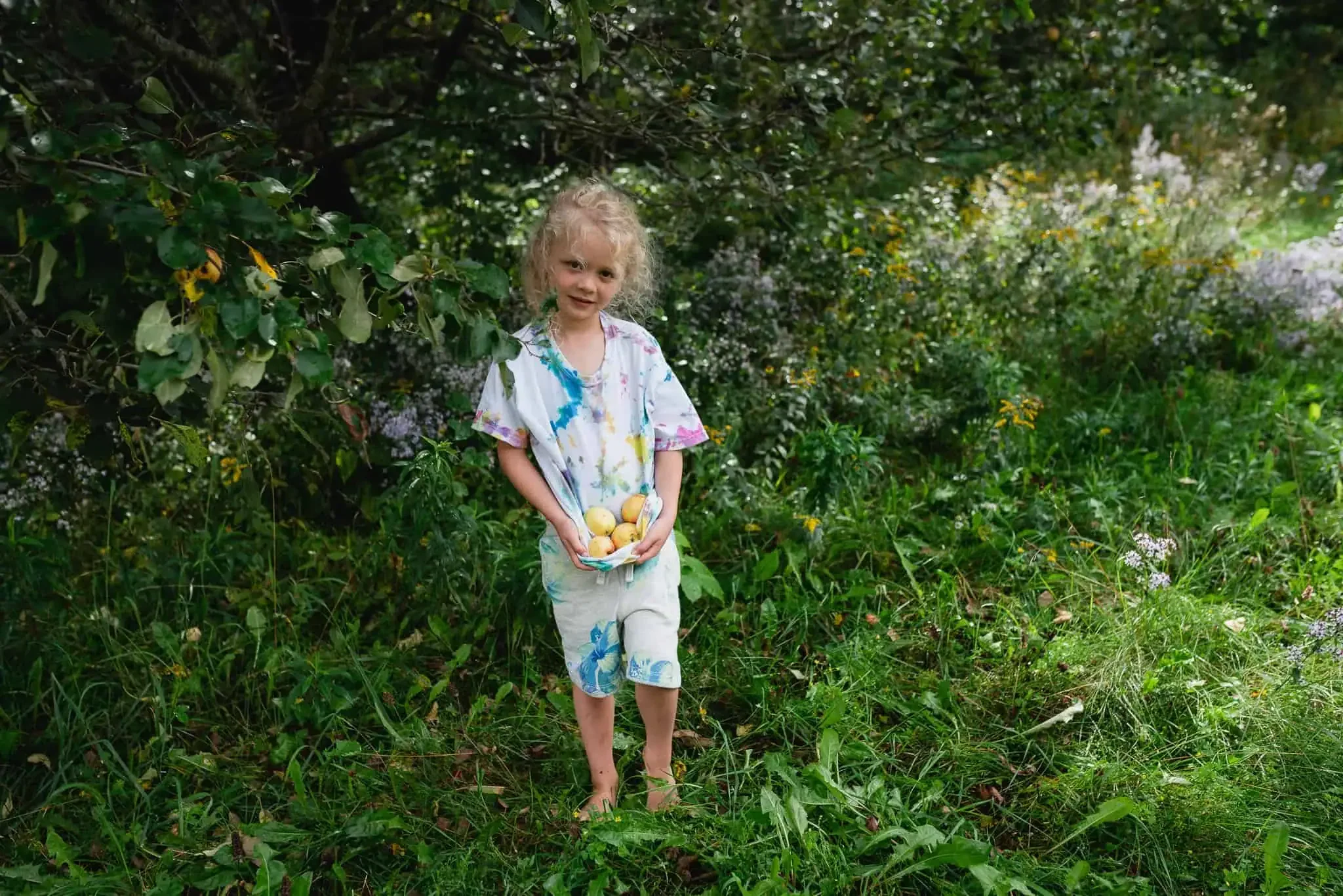
In 2023, we added more woodchips and expanded the guilds around the fruit trees throughout the growing season. I added native wild onions, lead plant (a native nitrogen fixer), herbs, coneflowers, lavender, rhubarb, and more. The diversity of these guilds will support the whole system - attracting beneficial insects, deterring or confusing others, and as always, accumulating nutrients from deep below the soil (dynamic accumulators) - adding colour and beauty!
Stay tuned for another post on Fruit Tree Guilds in the future!
What’s coming next to the Forest Garden?
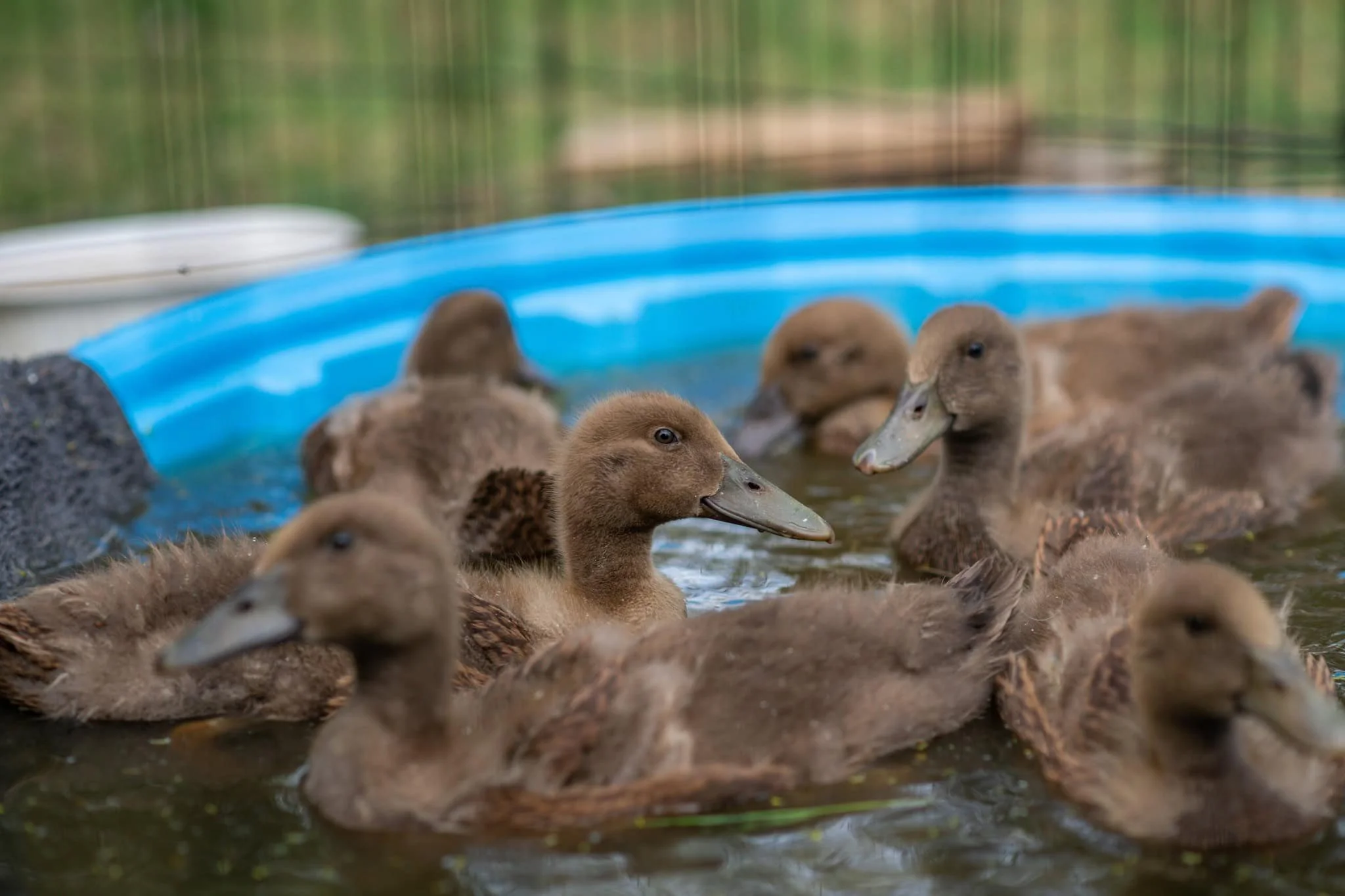
Our sweet little crew of Khaki Campbell Ducks who now rule the forest garden.
More fruit trees and more plants to enrich the fruit tree guilds. We have 3 loads of wood chips to spread, and this year I am taking the whole summer off website design so I can focus solely on the forest garden and food preservation (and I have a dream of building a root cellar). I’ve also purchased some zinnia seeds from Floret, and I can’t wait to see them!
The most exciting part is that we are adding DUCKS to our system this year! Khaki Campbells to be exact! Stay tuned for that adventure!
Join us at the Hummingbird Forest Garden for the next workshop or event here! We’d love to see you!
Are you ready to learn about Food Forests and how Permaculture can help your garden?
Graham of P3 Permaculture offers a great local permaculture design certificate course in Ottawa-Gatineau! Learn how you can support your garden so it sustains itself, learn how you can set things up so you don’t need to water as much, and learn how diversity in your garden = a stronger, healthier harvest!
Learning permaculture principles will give you actionable steps and an understanding that will expand and impact all aspects of your gardening, food forest, or urban growing experience - no matter what size or level of experience you are at!